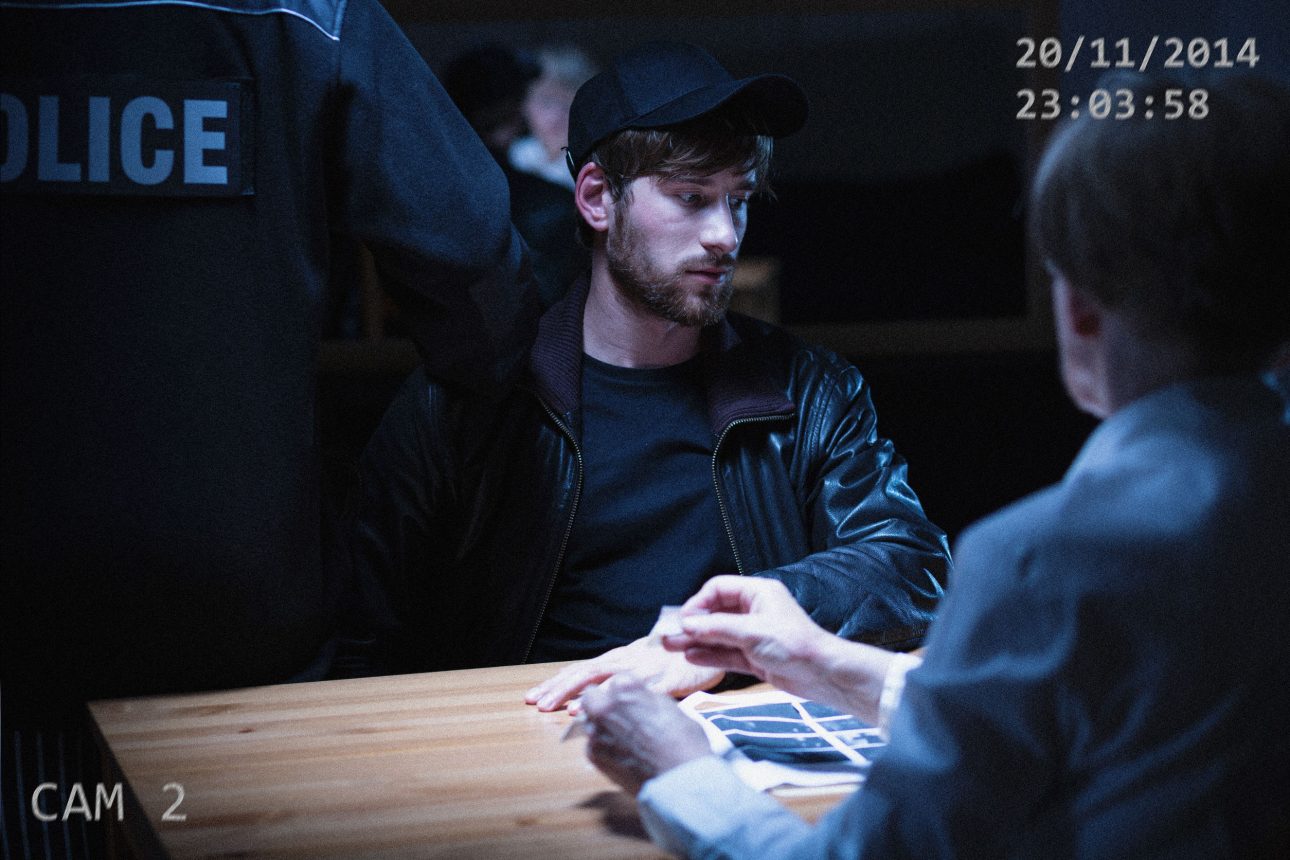
A police interview under caution is recorded, but the prosecution papers may later contain a written summary rather than a full transcript of what was said. If that summary contains mistakes or leaves out important parts of a suspect’s account, it can present a misleading picture of their defence.
Every criminal solicitor who has sat through a ‘no comment’ interview will have heard this seemingly innocent piece of police officer shtick:
“Look John, I understand you have a solicitor here and you’ve taken advice, but this is your opportunity to give your side of the story. There are always two sides to each story.”
Then comes the inevitable line:
“We’re impartial evidence gatherers, we’re not here to judge, and we’ll look at it from your side as much as we will theirs… what happened?”
In the face of such friendly cajoling, it can be tempting for a person to speak to the police even when informed by their legal representative in no uncertain terms that it is not in their interests to do so. This is no surprise. Our society places a great deal of trust in the police to look after our interests and protect us. People do not naturally like to believe that the police may not be shooting straight.
However, police officers can make mistakes, and their accounts of an interview may contain omissions or inaccuracies that materially affect a person’s defence.
That is precisely what happened in the case of my client, Robert.
How an Interview Summary Affected Robert’s Case
Robert was an experienced doorman at a busy nightclub in Oxford city centre. On the night in question, a young man was ejected by a colleague for being too drunk and aggressive inside the club. He tried to get back in, and Robert refused him entry.
What happened next was captured on CCTV. A conversation took place about why he could not come in. The young man became more animated. In doorman parlance, he was “kicking off”. Robert asked his colleague to radio the police. After several minutes, the police still had not attended.
The CCTV showed Robert forcefully push the complainant back and then push him once more before pinning him face down on the floor. The police were radioed again, but they still did not attend. Eventually, the young man calmed down. Robert and his colleague released him and told him to stop being such a plonker, go home and sober up.
The prosecution alleged that the pushes were assaults. Robert said that he had acted in self-defence because the young man began threatening him and he believed he was about to be head-butted.
Robert was arrested and interviewed. He did not ask for a solicitor because he did not think he needed one, as he had not done anything wrong. He answered every question.
The officer in charge of the case clearly disagreed with Robert’s account and said as much during the interview. Everyone is entitled to their opinion, but this was not completely consistent with the “impartial evidence gatherer” rhetoric used during the interview.
Robert’s Defence
Crucially, Robert relied on three points raised during his police interview:
The young man had been verbally aggressive and threatening.
The police had been called several times but had not attended, so Robert felt he had to act.
Robert had pushed him away with an open palm to the upper chest/neck area. He had not punched him.
When the prosecution evidence was served, the bundle included a statement from the interviewing officer containing a summary of the interview. The prosecution wanted the summary to be accepted as evidence so that it could be read at trial. The papers contained the officer’s written summary rather than a full transcript of the interview.
Having read the summary, I pointed out to Robert that his apparent failure to mention that he had been threatened was not helpful. Robert looked puzzled and said that he had mentioned it. He also gave me several other details that the police officer had failed to include in his statement.
What the Police Interview Summary Left Out
As is routine when preparing for a trial, I requested the recording of the police interview and listened to it. To my surprise and annoyance, it quickly became clear that significant parts of Robert’s account had been omitted or inaccurately summarised. Some examples included:
In one part of the summary, wording was placed in quotation marks, suggesting that it was a direct quote. However, the words “verbally threatening”, which Robert had clearly used, were omitted from the middle of the sentence.
Robert referred during the interview to the police being called and failing to attend. This was not mentioned anywhere in the summary.
During the interview, the officer showed Robert the CCTV and said, “You pushed him in the face.” Robert disagreed and said that it was the chest. After viewing the CCTV, Robert revised his account and accepted that it was the upper chest and neck, but not the face. This was supported by viewing the footage slowly. However, the officer’s statement read: “Robert said he pushed him in the chest, he maintained this account even when shown CCTV clearly showing him push him in the face.”
The overall effect was that the summary painted an entirely different and misleading picture of Robert’s account during the interview. This could have adversely affected his defence at trial had it not been checked, particularly had Robert not been represented at court.
We corrected the summary and informed the prosecution of the error. This one was caught. I worry that many are not.
Robert Is Found Not Guilty
Following trial, Robert was found not guilty. The magistrates concluded that the young man had been drunk and aggressive. They accepted that Robert felt he had to act because the police had not attended when called.
In their verdict, they said: “We found the defendant a credible witness today and consistent with his account in interview.” They accepted that he had acted in self-defence.
Robert would have lost his SIA licence and consequently his job had he been convicted of the offence. Needless to say, he was relieved that it was all over.
Lessons From Robert’s Case
The lessons to take away from this case are threefold:
- Whether innocent or guilty, ask for a criminal defence solicitor at the police station. The advice is free and independent. You do not have to follow the advice you receive, but you should obtain it before deciding how to respond to questions.
- When preparing a case, check everything. The detail can make an important difference. If you are representing yourself, ensure that you have reviewed all the evidence carefully. Better still, obtain advice from a criminal solicitor.
- Police officers may describe themselves as impartial evidence gatherers, but they can make mistakes. Protect yourself by obtaining advice from a solicitor at an early stage, preferably before answering questions at the police station.
Obtaining legal advice at an early stage can be crucial. If you would like advice about a police interview under caution or want a solicitor to represent you during an interview, please contact our team on 0333 240 7373 or email [email protected] or complete our confidential enquiry form →
About the Author
Scott Primmer is a Partner and Senior Solicitor in our Private Client Department. A Legal 500 recommended lawyer, he represents clients throughout criminal investigations and proceedings and is qualified to provide representation at the police station, Magistrates’ Court and Crown Court.