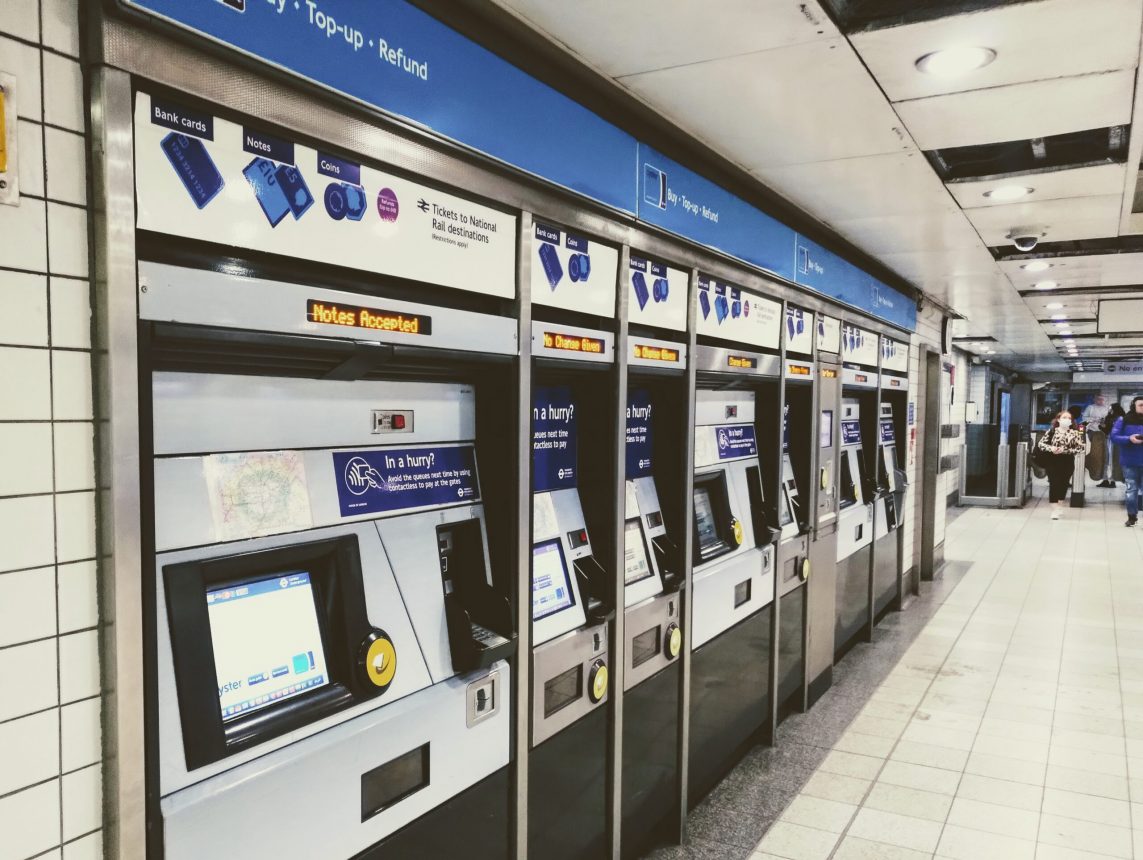
The four-part series on Channel 5 follows TfL inspectors as they grapple with ‘fare dodgers’. Whilst some may receive a warning or penalty fare, others are reported to the Prosecution Team. This can lead to a criminal conviction. Fare evasion solicitor Nathan Seymour-Hyde provides his views on how the series portrays the initial stages of the process.
The TV show Fare Dodgers: At War with the Law tells us that fare evaders cost the system £160 million per year. The episodes feature the full range of methods that commuters can use to evade fares. We are told that TfL is particularly interested in the misuse of ‘high value’ travel cards. These include Freedom Passes and monthly prepaid tickets. However, more straightforward examples, such as tailgating through the barriers and simply not tapping in on a bus, are also shown.
It is immediately clear that the inspectors who stop passengers suspected of fare evasion can shape what happens next. The programme shows that they may issue a penalty fare of £80, resolving the matter without prosecution. TfL’s penalty fare has since increased to £100, reduced to £50 if paid within 21 days.
This very much accords with my experience as a lawyer working in this area: some types of fare evasion are more likely to result in a penalty fare than prosecution. In the examples shown, the person stopped on a bus without tapping in, the tailgater and the person who did not tap in or out on the Tube were all issued with penalty fares.
Misuse of Freedom Passes
The situation unfolded differently when a commuter was stopped for using her father’s Freedom Pass. This is considered a ‘high value’ travel card and, even though the commuter said she had only used it once, the matter was reported to the Prosecution Team rather than being considered for a penalty fare.
The other examples referred to the Prosecution Team involved repeated behaviour over a period of weeks. These included a commuter travelling beyond the permitted zone on their prepaid ticket and another repeatedly obtaining fraudulent journey refunds.
The show featured the dramatic moment when one commuter was stopped by investigators and immediately whisked into an interview room to be asked questions about the alleged offences. The commuter appeared to be completely blindsided, yet there was no suggestion that they might want to consider asking for legal help before being interviewed under caution.
TfL conducts its own investigations and prosecutions. These interviews do not take place at a police station, where a suspect would ordinarily be expressly informed of their right to free and independent legal advice before being interviewed.
What happens next?
The programme told us that the person who used her father’s Freedom Pass had been ‘reported’ to the Prosecutions Team, but it did not explain what happened after that.
In our experience, the individual would usually receive a pre-court letter, known as a TfL verification letter asking them to provide any comments they would like TfL to take into consideration before deciding whether to prosecute. Where a Freedom Pass has been deliberately misused, there is a significant risk that the matter will proceed to court unless TfL can be persuaded to resolve it in another way.
It is at this stage that we would recommend making formal written representations asking TfL to settle the matter out of court. TfL’s prosecution policy allows a case to be resolved by way of a Formal Warning rather than prosecution in exceptional circumstances. This means that any mitigation must be meaningful and supported by evidence.
Over the years, we have honed our approach to these cases and understand how the explanation, personal mitigation and supporting evidence should be presented.
An out-of-court resolution cannot be guaranteed. However, carefully prepared representations can significantly improve the prospects of avoiding prosecution and a criminal conviction.
For more information, see our Fare Evasion defence service page. If you would like advice about an allegation or wish to instruct us, call our Fare Evasion solicitors on 0333 240 7373 or email [email protected].